All food businesses need effective pest control. It’s an essential part of keeping kitchens clean and food safe for sale. But what eliminates one pest might not affect another.
This guide explores the different pest control methods available and when they’re most effective. If you manage a food business, it will help you implement the right types of pest control for your operations.
Key Takeaways:
- Physical pest control uses barriers, traps and mechanical removal for non-toxic solutions.
- Chemical pest control involves insecticides, rodenticides and fumigation for quick action.
- Biological control uses natural predators, parasites and microbial agents for eco-friendly pest management.
- Cultural control methods focus on environmental modifications like sanitation and proper storage.
- Integrated Pest Management (IPM) combines multiple methods for long-term, sustainable pest control.
Common Types of Pests
There are multiple types of pests. The most common ones include:
- Rodents (Rats and Mice): These pests contaminate food supplies and spread diseases. They also cause structural damage by gnawing on wiring, insulation and wooden structures.
- Insects (Cockroaches, Flies, Ants, and Bedbugs): These pests thrive anywhere there’s food, causing significant hygiene problems.
- Stored Product Pests (Beetles, Weevils, and Moths): These insects infest dry food products such as flour, grains and cereals.
- Birds (e.g., Pigeons, Seagulls): Birds cause structural damage, create unsanitary conditions and spread airborne diseases through droppings.
Pest Control Training
Our Pest Awareness Training helps individuals identify and manage pest risks at work. This online course covers pest types, legal responsibilities, and control strategies to prevent infestations and comply with UK regulations.
3 Methods of Pest Control
Pest control techniques are generally grouped into three main categories. Each method uses a different approach to reduce or eliminate infestations, and the right choice often depends on the environment, type of pest, and level of risk involved.
1. Physical Pest Control
This method relies on physical barriers, trapping and manual removal to control pests. These techniques are non-toxic and safe for sensitive environments. They also remove pests immediately. However, they require regular monitoring and maintenance and may be less effective for large-scale infestations.
Barriers and Exclusion Methods: Barriers create physical boundaries that pests can’t cross, like window screens or door sweeps. These barriers work well to block entry points for pests that follow predictable paths, such as rodents.
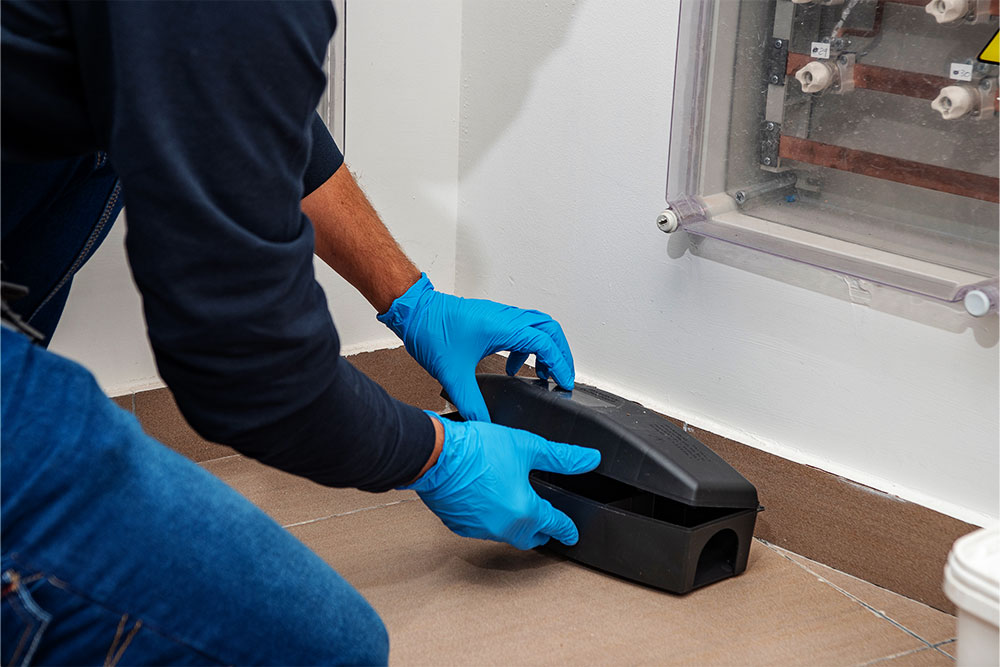
Traps and Capture Devices: Traps capture pests by luring them with bait or ensnaring them along common paths. Examples include glue boards for mice, beer dishes for slugs, and refillable bait stations for rats. Like barriers, traps are most effective when pest movements are predictable.
Mechanical Removal Techniques: Mechanical pest control methods physically remove or kill pests without chemicals. Examples include picking beetles off plants or scraping aphids. These methods are eco-friendly but best suited for small-scale jobs, offering minimal environmental impact.
Vacuuming and Suction Methods: Vacuuming is a powerful tool for reducing insect infestations, such as bed bugs or cockroaches. It helps remove pests, droppings and debris to reduce health risks. It also limits the need for insecticides.
2. Chemical Pest Control
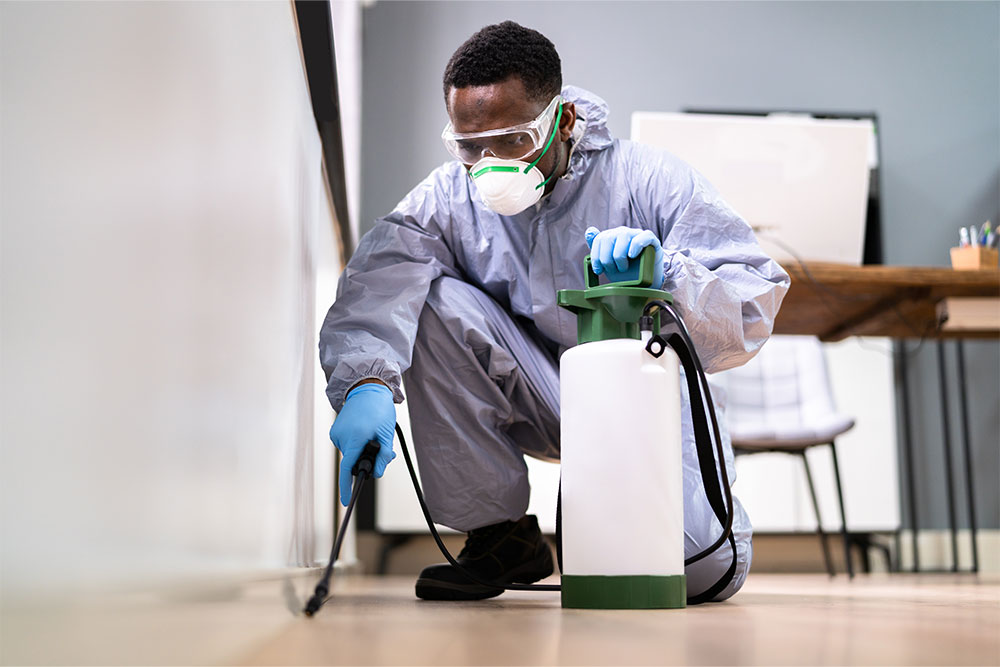
Pesticides and other chemical pest control methods are typically rapid and effective against all kinds of common pests. However, pests can develop resistance to certain pesticides over time, and these methods can also harm non-target species and contaminate food products.
Different types of chemical pest control include:
Insecticides: Insecticides target insects, either killing them immediately or disrupting their life cycles by using insect growth regulators (IGRs).
Rodenticides: Rodenticides are used to eliminate rodents but can also be harmful to pets and other wild animals.
Fumigation: Fumigation treats entire buildings or storage areas by filling the space with a gas pesticide, effectively eliminating pests throughout the area.
3. Biological Pest Control
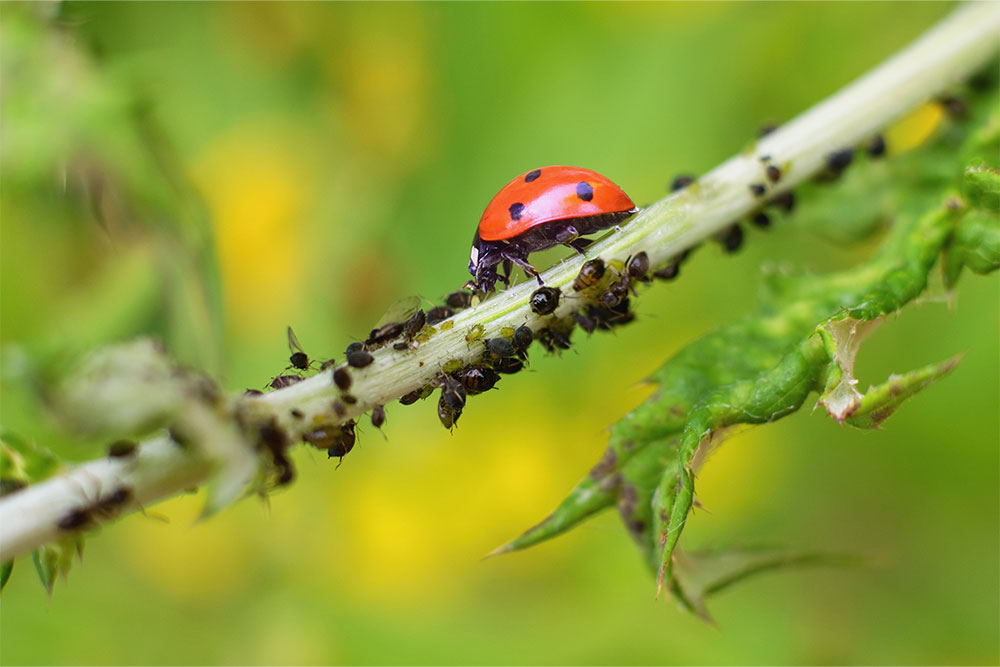
Biological pest control is an eco-friendly method that involves using natural predators to regulate pest populations. This approach is commonly used in agricultural and food production industries, as it’s environmentally friendly and leaves no chemical residues. However, consistent monitoring is required to be effective and may not provide immediate results compared to chemical methods.
Some examples include:
Predatory Insects and Invertebrates: Predatory insects feed on pests to keep their numbers low. However, some customers may be uncomfortable with this approach. Some predators also have indiscriminate feeding habits, so they may feed on beneficial insects as well.
Parasitoids and Parasitic Nematodes: Parasitoids, such as certain flies and wasps, help control pests by laying their eggs inside other insects. When the eggs hatch, the larvae feed on the host, eventually killing it.
Parasitic nematodes are tiny worms found in soil that also work as a natural pest control method. For example, Steinernema carpocapsae targets pests like fleas and grubs. However, nematodes have a short shelf life and require specific conditions – such as moist soil and cool temperatures – to be effective.
Microbial Control Agents: Microbial control involves using bacteria, viruses or fungi to target and kill pests. For example, the microbial agent Bacillus thuringiensis (Bt) is effective against pests like beetles and mosquitoes. Microbial control agents are eco-friendly and have low toxicity to humans and animals, but they’re less stable than conventional pesticides and may require a variety of strains for different pests.
What Could Be Additional Measures for Pest Control?
If you manage facilities, farms, or food production, you’ve likely come across cultural pest control methods or heard of Integrated Pest Management (IPM). These approaches go beyond traditional pest control by focusing on prevention and long-term sustainability rather than quick fixes.
Cultural Pest Control
Cultural pest control modifies the environment to make it less hospitable to pest infestations. It’s better suited for prevention rather than direct intervention. This method is commonly used in agricultural and food production industries to reduce the likelihood of pest problems.
Cultural control methods are cost-effective and environmentally friendly. However, they require continuous effort, regular maintenance and employee training to be successful. They may also not eliminate existing pest problems without additional measures.
Some examples include:
Crop Rotation: Alternating the types of crops grown in a particular area helps disrupt pest life cycles and reduces the buildup of pest populations.
Sanitation: Cleaning and removing potential food sources for pests, such as food waste or spilt grains, makes spaces less appealing to pests.
Proper Storage: Sealing food in airtight containers or using appropriate storage techniques prevents pests from accessing food supplies.
Pruning and Plant Maintenance: Regularly trimming plants and removing diseased or damaged parts can prevent pest habitats from forming.
Integrated Pest Management
Integrated Pest Management (IPM) is a comprehensive approach that combines multiple pest control methods to achieve long-term results. This strategy focuses on monitoring, prevention and control with minimal environmental impact.
The key elements of IPM include:
Inspection and Monitoring: Regular pest inspections are conducted to detect early signs of infestations and prevent them from escalating.
Threshold Levels: This involves determining the acceptable pest levels in a specific area before intervention is necessary, ensuring that control measures are applied only when needed.
Combination of Methods: IPM incorporates a variety of methods (biological, cultural, chemical and physical controls) that work together to create a comprehensive and balanced pest management system.
Employee Training: Training staff on the importance of pest prevention and best practices for maintaining a pest-free environment is a critical part of IPM.
Pest Management Training
Without proper training, businesses risk ineffective pest control, non-compliance with food safety standards and reputational damage.
Our Pest Control and Management Training course provides the knowledge to effectively manage and control pest issues. Users learn to identify various types of pests and apply relevant control methods.
The course is designed to help prevent pest infestation, maintain hygiene and meet regulatory requirements.