Knowing the three key principles of first aid is essential for anyone who may need to respond to an accident or sudden illness at work.
Following them will help you protect life, prevent a condition from worsening and promote recovery until the emergency services take over.
This blog explains each principle in clear terms, so you have a better idea of what to do in a workplace emergency.
Key Takeaways: Key Principles of First Aid
- There are three key principles of first aid: preserve life, prevent deterioration and promote recovery.
- Focus on keeping the person alive. Check if they’re breathing and call 999 straight away.
- Try to prevent conditions from worsening by applying pressure to a wound or insisting that casualties lie still.
- Help casualties feel safe and cared for. Talk to them and stay close until help arrives.
What Is First Aid?
First aid is the immediate treatment given to someone who’s injured or suddenly unwell, before professional medical help is available.
In the workplace, first aid may be needed for anything from bleeding to a sudden loss of consciousness. The exact situation may vary, but one thing is always true: the first few moments are critical.
Even small actions, such as immediately contacting emergency services or providing reassurance while help is on the way, are vital. Skipping those first moments of panic and acting quickly (but calmly) is always in the casualty’s best interests.
What Are the Main Principles of First Aid?
The key principles reflect the primary aims of first aid, sometimes called the three Ps:
- Preserve life
- Prevent deterioration
- Promote recovery
Whether it’s a small cut or a life-threatening collapse, the same principles apply.
Keeping them in mind will help you make quick decisions and provide assistance when someone is injured or ill.
Health and Safety Courses
Our health and safety courses support legal compliance and effective risk management. They raise awareness of common workplace hazards and teach the fundamentals of safe working.
1. Preserve Life
Your first priority in any first aid situation is to keep the casualty alive. That means taking immediate steps to protect their airway, breathing and circulation.
But before rushing in, pause for a moment to check your surroundings. Make sure there are no residual hazards that could put you or others at risk. Once it’s safe, assess the casualty and check they’re breathing.
How to Check if the Casualty Is Breathing
- Open the airway – Place one hand on the forehead and gently tilt the head back. Use two fingers under the chin to lift it upwards.
- Look, listen and feel – Look for chest movement, listen for breathing sounds and feel for breath on your cheek. Do this for 10 seconds maximum
- Decide quickly – If they’re breathing normally, place them in the recovery position and continue to monitor. If they’re not breathing, or if breathing is irregular (such as occasional gasps), call 999 immediately and begin CPR.
The call handler will guide you through what to do. Even if you’re untrained, you can attempt hands-only CPR while waiting for emergency services.
If your workplace has an automated external defibrillator (AED), send someone to get it. Do not leave the casualty if you’re alone. Once the AED arrives, switch it on and follow its prompts – most devices provide spoken instructions.
2. Prevent Deterioration
Once you’re sure the casualty is alive – whether they’re conscious or unconscious – your next goal is to prevent their condition from getting worse.
Preventing deterioration involves:
- If they are not breathing – continue CPR without stopping until emergency services arrive or the casualty begins breathing normally.
- If they are unconscious but breathing normally – prioritise the airway. Place the casualty in the recovery position unless you suspect a spinal or neck injury — in that case, keep them still and only move them if their airway is at risk.
- If they are conscious – take steps to control immediate problems, such as:
- Stopping bleeding with clean dressings or direct pressure
- Keeping broken bones or suspected fractures still
- For all casualties – keep checking their breathing and responsiveness until paramedics arrive.
If someone shows signs of shock (such as being cold, pale or dizzy), keep them lying flat, cover them with a coat or blanket to stay warm and reassure them. Do not give them anything to eat or drink.
Stay with the casualty, talk calmly and let them know help is on the way.
3. Promote Recovery
Once the casualty is stable, do what you can to help them feel better and stay calm. Comfort and reassurance now will help create the best possible conditions for healing.
You can promote recovery by:
- Monitoring continuously – keep checking their breathing and responsiveness. Any changes should be passed on to paramedics.
- Making them comfortable – help them rest in a safe position, loosen tight clothing if necessary and protect them from cold or heat.
- Offering reassurance – stay calm, talk to them and explain what is happening. Anxiety and fear can make a casualty’s condition worse.
- Following the casualty’s cues – if they are responsive, ask simple questions to understand how they feel and what might help. But don’t move a casualty unless it’s strictly necessary for their safety.
Staying calm and speaking kindly makes a big difference to how the person feels. Just being there and doing the basics will help them recover faster.
What You Need to Know About First Aid at Work
In the UK, employers are required to follow the Health and Safety (First Aid) Regulations 1981.
At a high level, these regulations require:
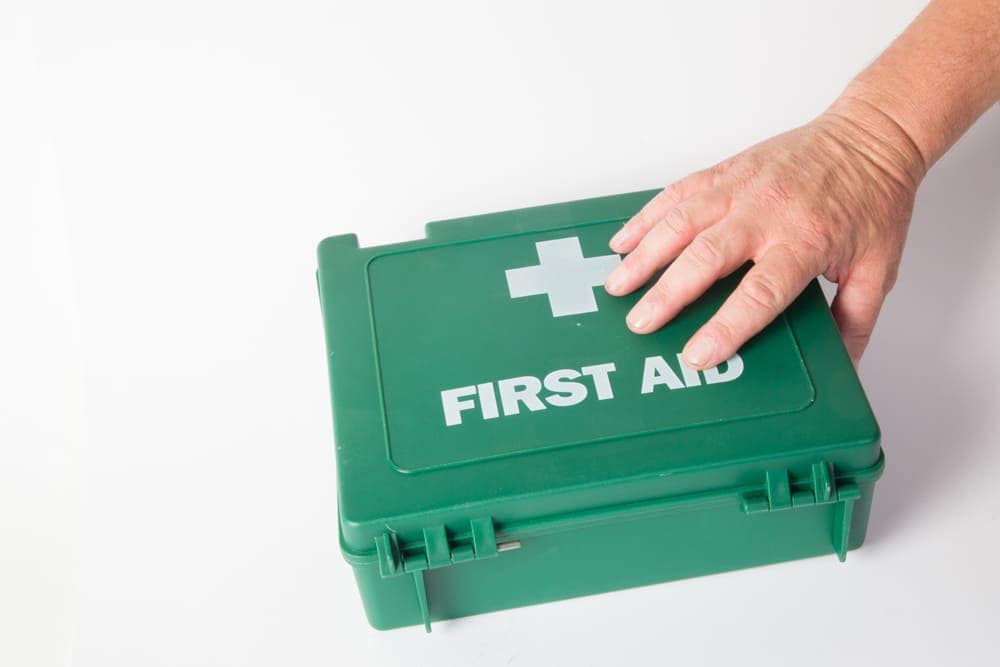
- Workplaces have “adequate and appropriate” first aid equipment available
- There is a sufficient number of trained first aiders – or at least one appointed person responsible for first aid arrangements
- All employees know where the first aid equipment is located and who’s trained to use it
But remember, even if you’re not a trained first aider, you can still help in an emergency. You should:
- Call 999 or 112 and give clear details about the emergency
- Bring the first aid kit or AED if one is available
- Keep the area clear to give space for first aid and emergency responders
- Help reassure the casualty and any bystanders
If you’re the only person on the scene and the casualty is in a critical condition, call emergency services immediately and then do what you reasonably can to help, even if you’re untrained. In a life-or-death situation, some assistance is almost always better than none.
And don’t hesitate for fear of breaking the law. In the UK, Good Samaritans are offered legal protection, provided they acted sensibly and in good faith.
Learn the Essentials of First Aid
Anyone can make a difference in an emergency. With just a bit of awareness, you can take simple steps that help protect life, prevent a condition from worsening and support recovery until professionals arrive.
Our online First Aid at Work course is designed as an introduction for those who want to feel more prepared, or as a refresher for certified first aiders.
It can’t replace in-person training, but it does offer a simple, low-stakes way to build confidence and knowledge.
The course covers the essentials of first aid, including how to respond to electric shocks, cuts, burns, bleeding, choking and more. It also provides guidance on performing CPR and using an AED, so you know what to expect if you ever need to help in an emergency.