This IIRSM-approved course equips managers and assessors with the practical skills to meet their legal duties under the Manual Handling Operations Regulations 1992 and the Management of Health and Safety at Work Regulations 1999.
The course enables trainees to assess lifting, carrying, pushing, pulling and posture risks, select effective task and workplace improvements, and maintain robust controls. Together, these skills help organisations build a safer, well-structured and continually improving approach to manual handling.
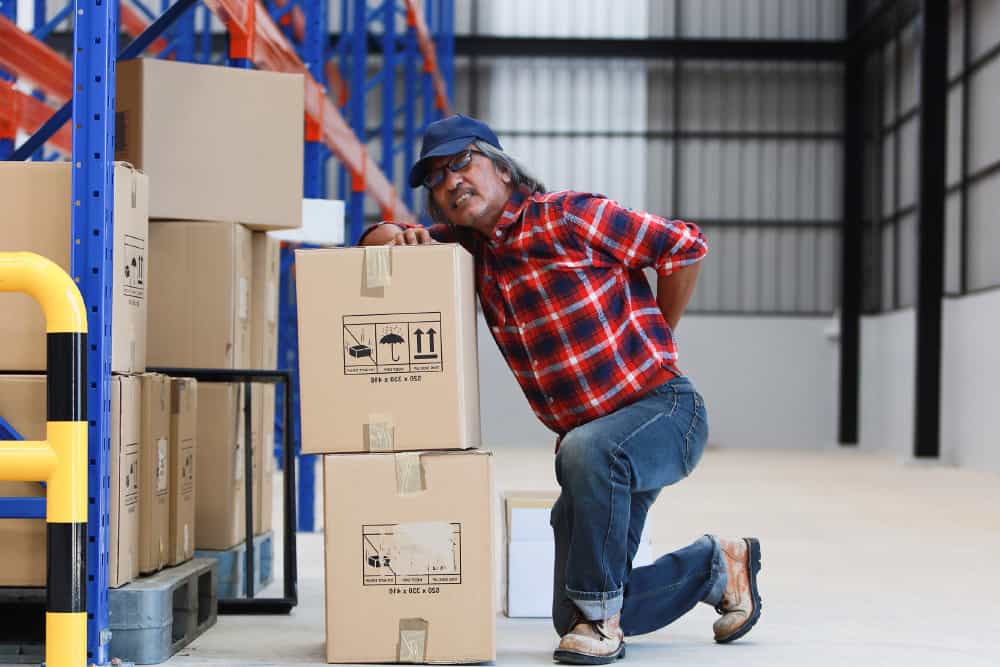
Explains what manual handling is, outlines the legal duties of employers and employees and shows how poor handling and posture cause injury.
What is Manual Handling
Duties, Responsibilities & Guidance
Tackling the Issue
The Back
How Injuries Occur
Discusses factors to consider when planning your risk assessment, including legal requirements, TILE and structured tools.
Risk Assessment Requirements
Task
Individual
Load
Environment
Simple Filters
Structured Assessment Tools
Full Risk Assessments
Provides guidance on assessing manual handling tasks using recognised HSE tools, including MAC, RAPP, REBA and OWAS.
Assessing Lifting
Assessing Pushing & Pulling
Assessing Dynamic Body Positions
Assessing Posture
Shows how to control manual handling risks using the hierarchy of control, mechanical aids, ergonomic design, good technique, training and regular review.
Approach to Controlling Manual Handling
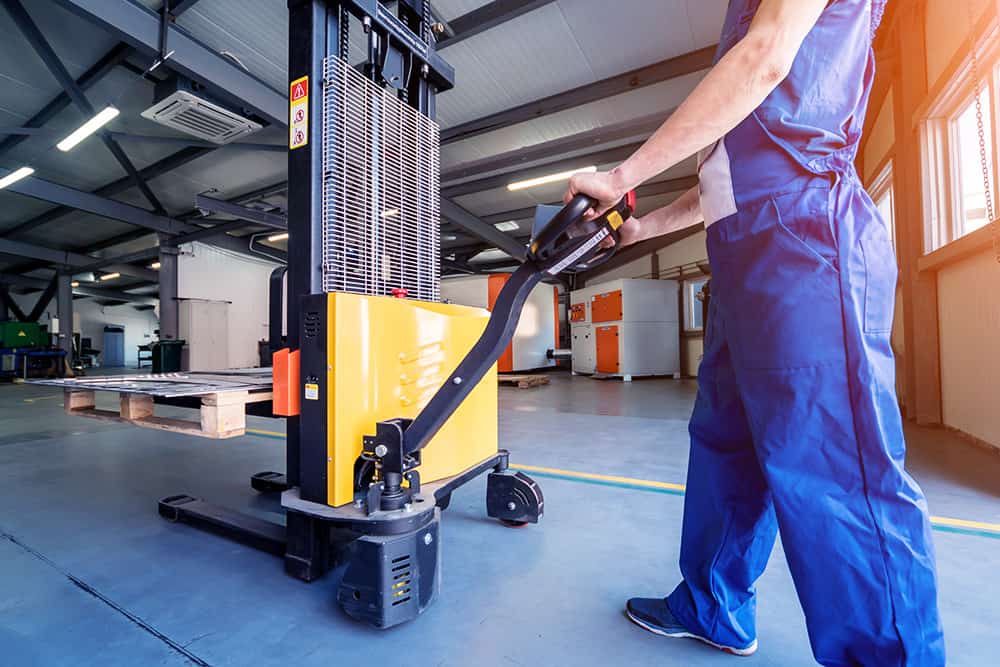
Mechanical Assistance
Redesign Task or Workspace
Good Manual Handling Technique
Training
Record & Review
What You Will Learn
What manual handling is and how injuries happen
The UK legal duties that apply to manual handling
Factors and considerations when planning manual handling risk assessments
Ways to identify and assess lifting, carrying, pushing, pulling and posture risks
How to select appropriate measures using the hierarchy of control
Steps for recording, reviewing and maintaining risk controls over time
Available in 13 Languages
Course subtitles are available in multiple languages, including:
This course is approved by the International Institute of Risk & Safety Management (IIRSM).
The course certificate includes:
User name
Company name
Course name
Completion date
Expiry date
Approval body
An IIRSM-approved course certificate will be available for download and printing instantly upon course completion.
Users must complete a final theory test before earning their certificate.
The end-of-course test is:
Fully online
Multiple choice
A score of 80% is required to pass.
Customer Feedback
Why Is Advanced Manual Handling Risk Assessment Training Important?
According to the Health and Safety Executive (HSE), handling, lifting, or carrying accounted for 17% of all non-fatal injuries in 2023/24. Because of this significant risk, any work involving the transporting or supporting of a load by hand or bodily force is regulated under the Manual Handling Operations Regulations 1992 (as amended).
If manual handling cannot be avoided, employers are legally required to “make a suitable and sufficient assessment” of the operations involved and to take all reasonably practicable steps to reduce the risk of injury.
To achieve compliance, duty holders must understand the methods, tools, and practical measures available to effectively control manual handling risks.
This Advanced Manual Handling Risk Assessment Training course equips trainees with the knowledge and practical tools needed to meet these legal and safety challenges head-on. It provides managers and assessors with structured guidance for conducting risk assessments that accurately reflect the real level of risk in the workplace.
Trainees learn how to plan assessments and apply recognised Health and Safety Executive (HSE) assessment tools, including the following risk assessment tools:
Manual Handling Assessment Charts (MAC)
Risk Assessment of Pushing and Pulling (RAPP)
Rapid Entire Body Assessment (REBA)
Ovako Working Posture Analysis System (OWAS)
These tools help systematically identify, evaluate, and prioritise manual handling risks.
The course also develops the ability to select and implement proportionate control measures using the hierarchy of control. Learners put this into practice by redesigning tasks, improving equipment, and strengthening training and supervision standards.
By the end of the course, learners will have the knowledge and confidence to lead manual handling risk assessments, support compliance with legislation, and drive lasting improvements in workplace safety and performance.